
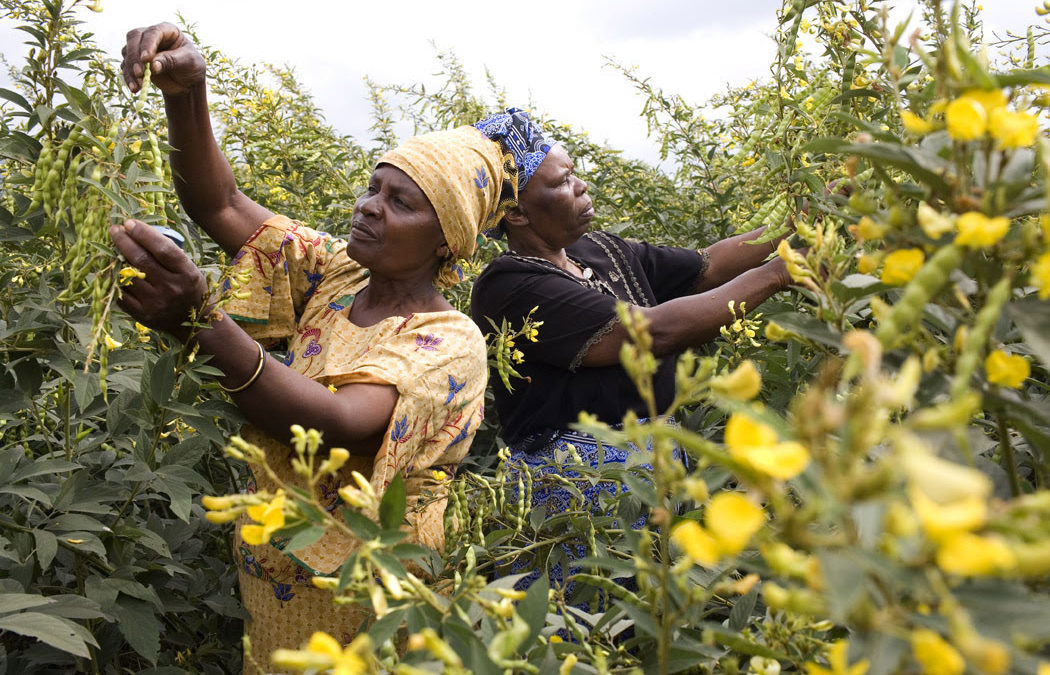
Education, female empowerment, and climate-smart solutions can stop climate change.
Women are more likely to live in poverty, be vulnerable to natural disasters, and experience the direct impacts of flooding and drought. But as activists Greta Thunberg, Naomi Klein, and Vanessa Nakate can attest, they also hold the keys to fighting the deep impact of climate change.
Evidence shows investing in girls and women is a promising climate solution. Women can use strong ties to their communities to advocate and gain trust for renewable energy technologies, for example.
And experts say educating girls, empowering women in leadership, and involving women in agricultural decisions are also hopeful routes, but they are often often overlooked.
Educated Women Can Share Resources and Skills Needed to Tackle Climate Change
Countries are preparing to submit their Nationally Determined Contributions (NDCs) — national strategies to reduce emissions proposed every five years. Sociological contributors to climate change from gender equality to education must be considered alongside technical solutions, Christina Kwauk, global economy and development fellow at the Brookings Institution’s Center for Universal Education, says.
“Investing in girls’ education could be a potentially powerful solution to some of the adaptation strategies and mitigation strategies that many climate actors are really invested in,” Kwauk told Global Citizen.
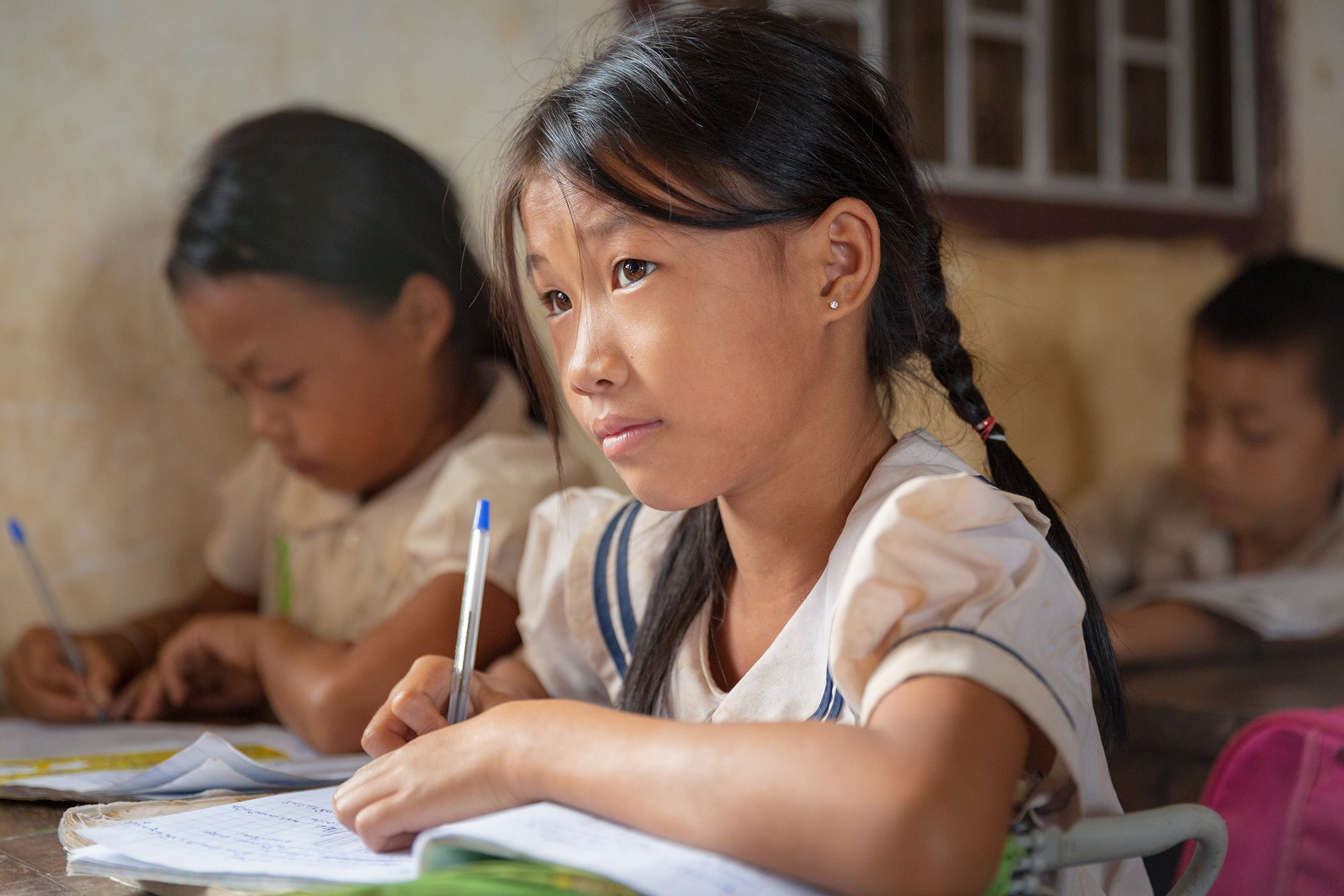
A young girl in grade four listens during class at Phonsivilay Primary School, Meun District, Lao PDR.
When Kwuak and her colleagues analyzed 160 NDCs from 2015, they noticed only one of them mentioned girls’ education.
“It’s very clear people who are in climate policymaking are not thinking about education, and they’re not thinking about girls’ education,” she said.
Part of the problem is that the climate community is narrowly focused on reducing carbon emissions — one of the largest contributors to climate change — with technical solutions, Kwauk explained.